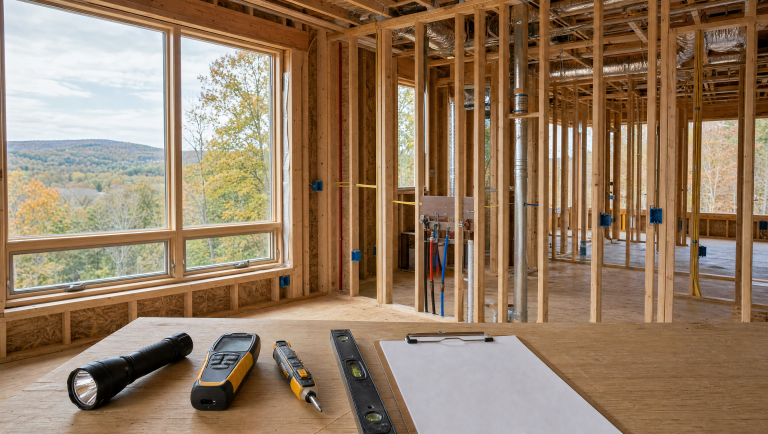
For most buyers, a visual mold inspection is the useful first step because it looks for visible growth, damp materials, and the moisture source that must be corrected. Air or surface sampling is a separate tool. It is most useful when a qualified professional can name the specific question the sample will answer and explain how the result will change the next decision.
A generic air sample cannot certify that a Massachusetts home is mold-free. The U.S. Environmental Protection Agency says that sampling is usually unnecessary when visible mold is present, and no federal limits have been set for mold or mold spores. Start with the property condition and the decision you need to make, not with the promise of a single safe-or-unsafe number.
Use the condition to choose the next step
| What you know before closing | Usually useful first step | Question to answer |
|---|---|---|
| Visible growth or a wet, damaged material | Visual inspection and moisture-source investigation | Where is the water coming from, how far does the affected area extend, and what must be dried, repaired, or removed? |
| Musty odor or moisture history, but no visible source | Focused inspection of accessible suspect areas; targeted sampling only if it answers a defined question | Is there evidence of a concealed moisture path or affected area that warrants specialist investigation? |
| No visible sign, odor, or moisture history | Standard inspection observations and document questions; no automatic sampling | Is there any property-specific evidence that justifies a separate mold scope? |
| Cleanup or remediation has already occurred | Review the remediation scope and consider an independent post-remediation evaluation | Were the moisture source and affected materials addressed, and what verification did the written scope require? |
| A lender, insurer, attorney, physician, or remediation plan requests a specific analysis | Use the requested protocol with a qualified sampling professional | What exact sample, comparison, method, and interpretation will satisfy that outside requirement? |
This is a decision framework, not a rule that every property needs the same service. Access, transaction documents, past repairs, and the observed moisture pattern can change the appropriate scope.
What a visual mold inspection can establish
A visual inspection can document accessible staining or suspect growth, measure moisture in materials, look for active or past water entry, and trace likely pathways such as plumbing leaks, roof leaks, foundation seepage, condensation, or inadequate exhaust. It can also identify areas that were inaccessible and require a more specialized evaluation.
The strongest finding is often not a species name. It is a defensible connection between affected material and the condition allowing it to stay wet. Without moisture control, cleaning alone may not solve the underlying problem.
Massachusetts public-health guidance describes a mold inspection as a visual inspection for excess moisture and the presence of mold. The state's occupant guidance on excess moisture and mold also explains that environmental sampling is not routinely recommended and that visible mold and moisture conditions still require correction.
When targeted sampling can add information
Sampling can be useful when the question is specific and the result has a defined use. Examples include comparing a suspect area with an outdoor or control sample under a professional protocol, investigating a difficult hidden-mold question, identifying material for a defined remediation plan, or following a written post-remediation verification scope.
Before paying for a sample, ask:
- What exact question will this sample answer?
- Why is a visual and moisture investigation not enough for that question?
- Where will samples be collected, and what comparison or control will be used?
- Which method and laboratory will analyze them?
- Who is qualified to interpret the result in context?
- What decision will change if the result is higher, lower, positive, negative, or inconclusive?
The EPA guidance on mold sampling says that visible growth usually makes sampling unnecessary and that sampling should be designed and interpreted by professionals with specific experience. It also warns that there is no federal mold-spore limit against which a building can be declared compliant.
Why a normal home inspection is not the same service
A standard home inspection evaluates readily accessible building systems and visible conditions within its defined scope. It can reveal water staining, ventilation problems, damp areas, or other observations that support a recommendation for further evaluation. It is not automatically a complete mold investigation or an environmental sampling program.
The Massachusetts Home Inspectors Consumer Fact Sheet lists fungi, mold, and allergen evaluation among additional services buyers should consider separately from the basic home inspection. This boundary matters when comparing proposals: ask whether the quoted work is a standard inspection, a visual mold add-on, sampling, or a combined scope.
Build the scope around the property's evidence
Buyers can do useful preparation without disturbing materials or trying to diagnose growth themselves:
- Read the disclosure and listing history. Note prior leaks, flooding, roof work, plumbing repairs, basement waterproofing, ventilation changes, or past remediation.
- Ask for documents. Request invoices, photographs, moisture records, remediation protocols, clearance reports, warranties, and any laboratory results. A receipt for cleaning is not the same as evidence that the water source was corrected.
- Map the concern. Record where the odor, stain, dampness, or suspect material appears and whether it changes after rain or equipment use.
- Confirm access. Ask whether attic hatches, crawlspaces, utility rooms, finished basement walls, and stored areas will be accessible during the appointment.
- Define the decision. State whether you need to identify an active moisture source, understand visible extent, decide whether a specialist is needed, or satisfy a written third-party requirement.
Do not pull apart walls, disturb suspect materials, or enter unsafe spaces to improve access. If a hidden condition is suspected, have an experienced professional define the next investigation step.
Use the findings before closing
A useful report should separate observations from conclusions and limitations. Review it in this order:
- Moisture source: Is water entering now, and what repair or further diagnosis is recommended?
- Affected area: Which accessible materials show staining, elevated moisture, damage, or suspect growth?
- Access limits: What could not be inspected, and would additional access or specialist review materially change the decision?
- Sampling purpose: If samples were taken, what question did they answer and what limitations apply?
- Next professionals: Does the report recommend a roofer, plumber, drainage contractor, HVAC professional, industrial hygienist, or remediator for a defined issue?
- Transaction timing: Can the next evaluation and any written proposal be completed within the inspection and financing deadlines?
Use your inspector to understand observed building conditions. Use a qualified mold or indoor-environment professional for specialized sampling and interpretation, a contractor for repair scope, and your attorney or agent for contract options. If health concerns affect your decision, speak with a medical professional rather than relying on an environmental sample as a diagnosis.
Choose a proportionate inspection scope
Review Ken Arnold Home Inspection's inspection services and buyer home inspection scope before scheduling. Describe the visible condition, odor, moisture history, past remediation, and any outside sampling requirement so the proposed scope answers the property's actual question.